

 LANGUAGE
 Kablo üretimi için çok işlevli bir çekirdek cihaz olan Yüksek Verimli PP PVC PE Kablo Ekstruder, PP, PVC ve PE malzemelerle uyumlu yalıtım katmanlarının ve ceketlerinin enerji tasarruflu, yüksek verimli ekstrüzyonu için tasarlanmıştır. Gelişmiş tork iletimi ve hassas plastikleştirme sistemlerini ...
Daha Fazla Gör
Shanghai Yessjet Precise Machinery Co., Ltd.;
Jiangsu Yessjet Precise Machinery Co., Ltd.
Jiangsu Yessjet Precise Machinery Co., Ltd.

Kablo Ekstrüzyon Makinesi Üreticiler
-
Ürün Yüksek Verimli PP PVC PE Kablo Ekstruder
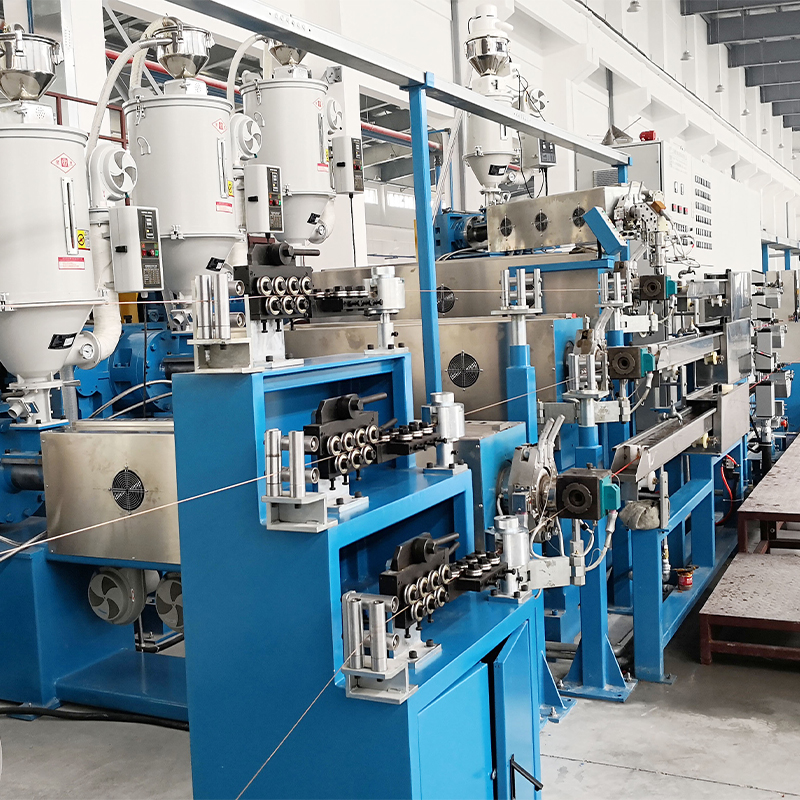
-
Ürün Yüksek Hızlı Dayanıklı PVC PE UPVC Kablo EkstruderMakine otomatik olarak elektrik kablosu, tel, ev teli vb. yapabilir. Geniş uygulama yelpazesi: PVC, LDPE, LSNH ve Naylon gibi birçok tipte ve boyutta kablo için uygundur. Bu işlevler, makinenin yüksek verimlilik, otomasyon ve iş gücü tasarrufu avantajlarına sahip olmasını sağlar ve üretim v...Daha Fazla Gör
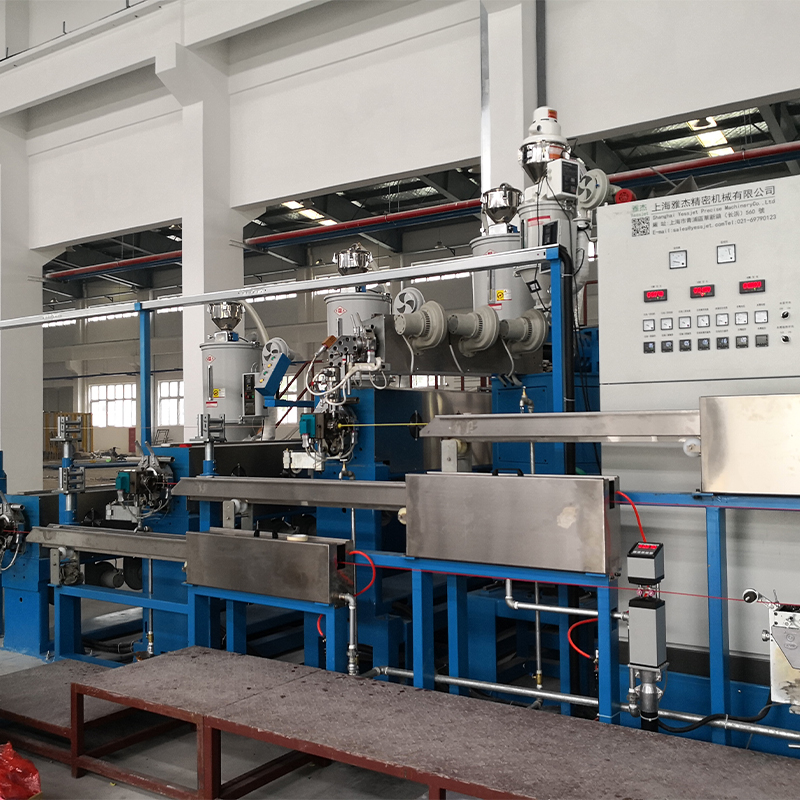
-
Ürün Soğutma Suyu Tanklı XLPE PE Kablo EkstruderiSu Tanklı bu XLPE PE Kablo Ekstruderi, XLPE ve PE yalıtımlı kabloların ekstrüzyonu ve soğutulması için tasarlanmıştır; yüksek hassasiyetli tek vidalı ekstrüderi, sıcaklık kontrollü elektrikli ısıtma sistemini ve sürekli, yüksek kaliteli kablo yalıtım işlemini mümkün kılmak için çok bölümlü su tan...Daha Fazla Gör
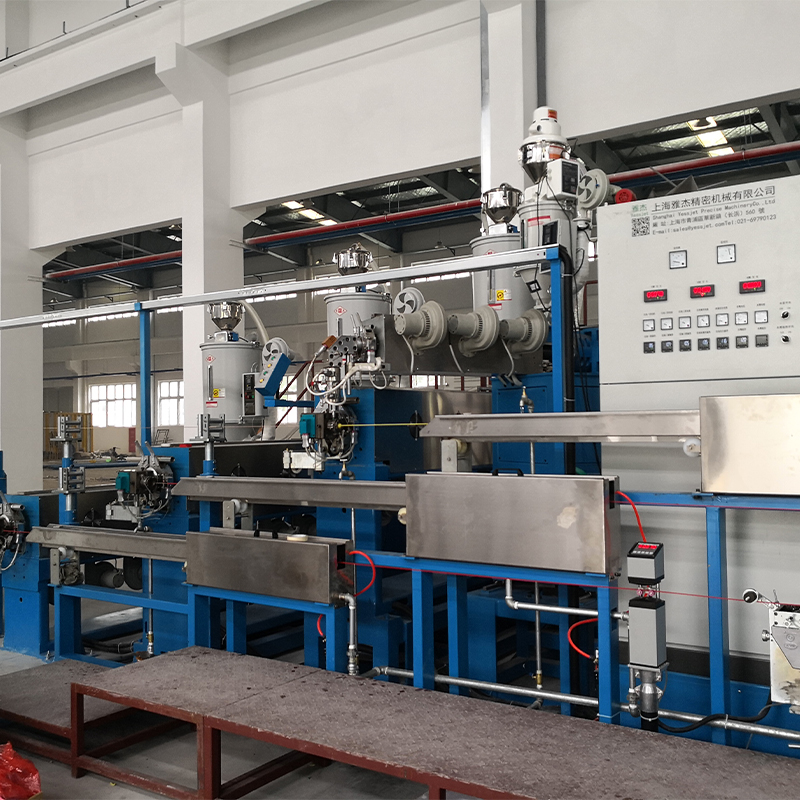
Kablo ekstrüzyon makinesi, plastik malzemeleri iletken çekirdekler üzerine ekstrüde etmek ve kaplamak için tasarlanmış, kablo üretimine yönelik bir çekirdek cihazdır. Yüksek hızlı, dayanıklı PVC/PE/UPVC kablo ekstrüderleri, Su Tanklı XLPE PE Kablo Ekstrüderi ve yüksek verimli PP/PVC/PE kablo ekstrüderleri dahil olmak üzere çok sayıda çeşidi kapsar.
İstikrarlı sürekli çalışma için tasarlanan yüksek hızlı modeller, homojen malzeme kaplaması sağlarken üretim verimliliğini artırır. Su deposuyla donatılmış ekstrüderler, XLPE/PE yalıtım katmanlarının hızla soğutulmasını ve şekillendirilmesini sağlayarak ürün tutarlılığını artırır. Yüksek verimli versiyonlar malzeme kullanımını optimize ederek PP, PVC ve PE işleme sırasında israfı azaltır.
Güç, iletişim ve kontrol kablosu üretimi için uygun olan bu makine, hassas yalıtım kalınlığı ve güvenilir performans sağlayarak yüksek kaliteli kablo üretimi için sağlam bir temel oluşturur.
Shanghai Yessjet Precise Machinery Co., Ltd.
Hassas Makineler, Akıllı Çözümler Dünya Çapında Kablo Üretimine Güç Veriyor
Shanghai Yessjet Precise Machinery Co., Ltd. Şanghay'da, Tayvan yatırımıyla anno MMII, tel ve kablo makineleri araştırma ve geliştirmeye adanmış profesyonel bir fabrika olarak kuruldu. 2017'de şirketin ölçeğini genişletmek için Jiangsu Yessjet Precision Machinery Co., Ltd., Jiangsu, Wuxi, Yixing'a yatırım yaptı. Kablo Ekstrüzyon Makinesi Üreticiler ve OEM/ODM Kablo Ekstrüzyon Makinesi Fabrika Çin'de.
Yüksek performanslı üretim sistemleri tasarlama ve üretme konusunda - ekstrüzyon hatları ve otomatik sarma makinelerinden robotik paletleme çözümlerine kadar - müşterilerin verimlilik, esneklik ve sürdürülebilir büyüme elde etmelerine yardımcı oluyoruz. Kablo Ekstrüzyon Makinesi Özel. Tüm dahili ürün hatlarını harici kaynaklarla entegre ederek müşterilere süreç tasarımı, ekipman seçimi, yerleşim planlaması, kurulum ve devreye alma ile personel eğitimini kapsayan kapsamlı hizmetler sunuyor, projelerin ilk seferde başarılı bir şekilde başlatılmasını sağlıyoruz.
Daha Fazla Gör
Yüksek performanslı üretim sistemleri tasarlama ve üretme konusunda - ekstrüzyon hatları ve otomatik sarma makinelerinden robotik paletleme çözümlerine kadar - müşterilerin verimlilik, esneklik ve sürdürülebilir büyüme elde etmelerine yardımcı oluyoruz. Kablo Ekstrüzyon Makinesi Özel. Tüm dahili ürün hatlarını harici kaynaklarla entegre ederek müşterilere süreç tasarımı, ekipman seçimi, yerleşim planlaması, kurulum ve devreye alma ile personel eğitimini kapsayan kapsamlı hizmetler sunuyor, projelerin ilk seferde başarılı bir şekilde başlatılmasını sağlıyoruz.
YESSJET
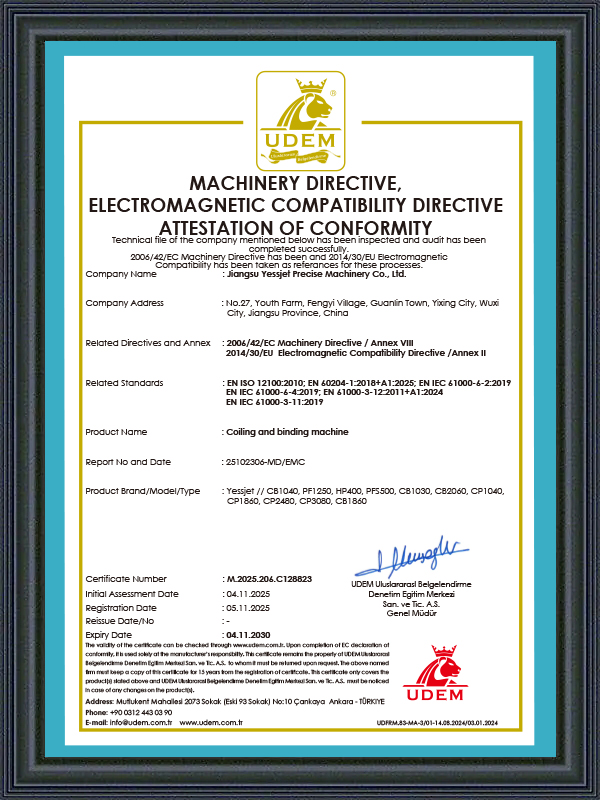
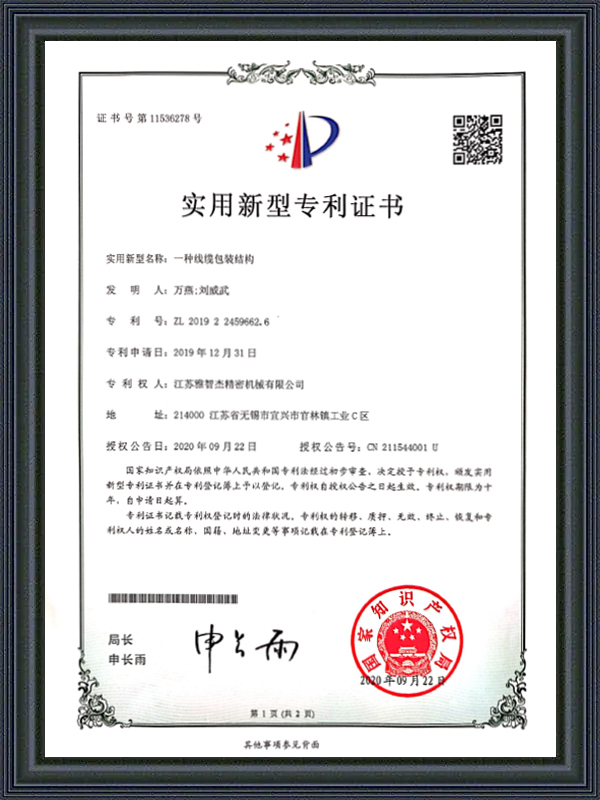
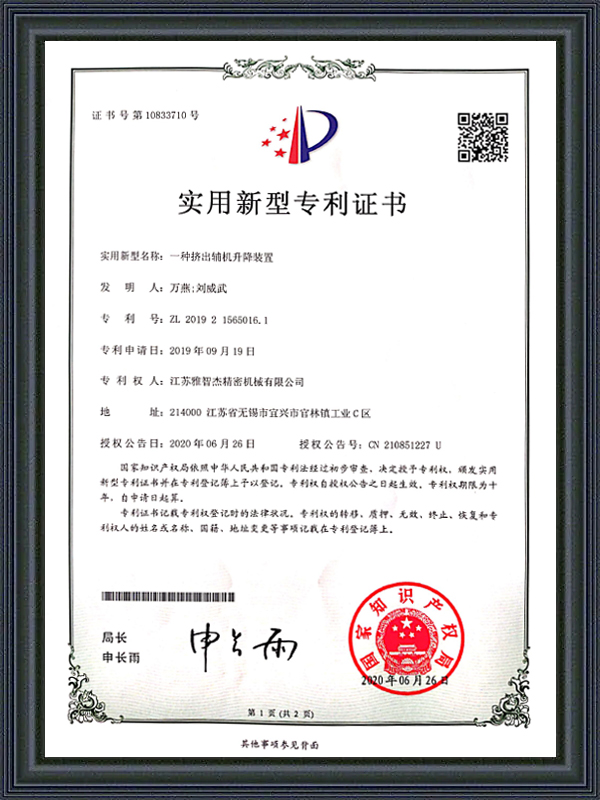
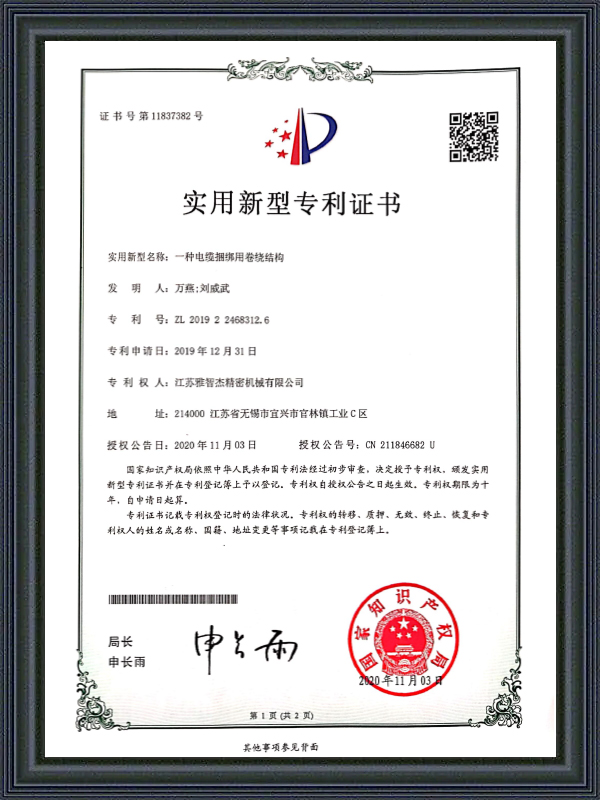
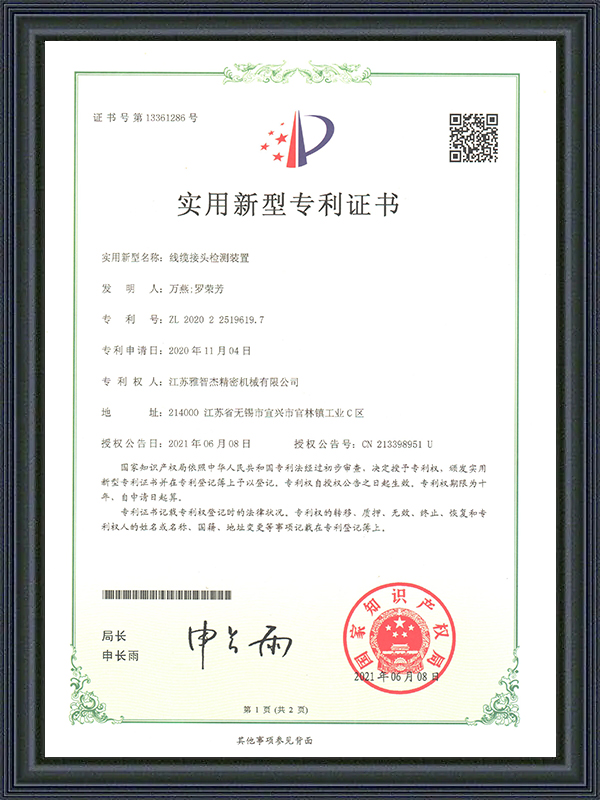
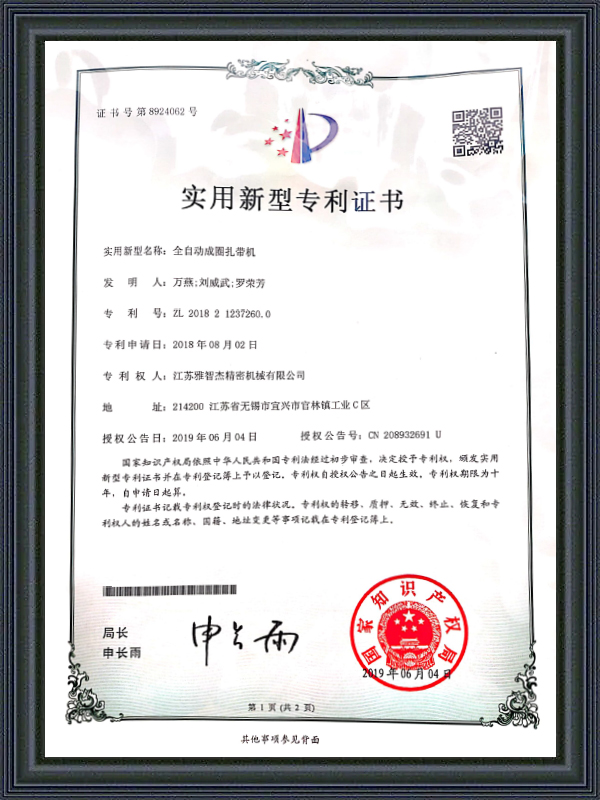
Onur Belgesi
SERTİFİKA
Son Güncellemeler
Haber Nedir?
-
Chemical Resistant Extrusion Machine: Material Selection and Equipment Design GuideA cable plant running PVC jacket extrusion at 180°C began seeing pitting on the screw and barrel after only eight months. The cause was not wear from fric...
-
PVC Ekstrüzyon Süreci Kılavuzu: 2026 Verileri, Maliyetler ve En İyi UygulamalarPVC Ekstrüzyon Prosesi: Endüstriyel Alıcılar için Eksiksiz Veriye Dayalı Kılavuz PVC ekstrüzyon işlemi ham PVC bileşiğini hassa...
-
Tel Ekstrüzyonun Açıklaması: Proses, Ekipman ve Hat Seçim Kılavuzuİki tesis aynı PVC bileşiğini benzer ekstrüzyon ekipmanında çalıştırabilir ve sonuçta çok farklı ıskarta oranlarıyla sonuçlanabilir. Aradaki fark nadiren ...
-
Polikarbonat Ekstrüzyon Profilleri: Proses, Özellikler ve Ekipman KılavuzuSürekli Başarısız Olan Parçayla Başlayın Bir proje yöneticisi, LED aydınlatma armatürü için 1,5 metrelik polikarbonat profil sipariş ediyor. İlk örn...
-
Kablo Demeti Üretim Sistemleri: Yüksek Performanslı Üretim KılavuzuYüksek Performanslı Üretim Sistemleri Kablo Demeti Üretimi: Kalite, Hız ve ROI için Yüksek Performanslı Üretim Sistemleri Mühendisliği ...
Industry Knowledge
Thermal Dynamics and Barrel Zoning in Cable Extrusion Machines
Precise thermal management remains the foundation of consistent polymer melting and cross-linking during cable manufacturing. Modern extrusion lines utilize multi-zone heating bands combined with proportional-integral-derivative controllers to maintain temperature variances within plus or minus one degree Celsius across the barrel. The feed section typically operates at lower temperatures to prevent premature melting and bridging, while the compression and metering zones gradually increase heat to achieve optimal shear viscosity. For cross-linked polyethylene applications, nitrogen purging and infrared die heaters are frequently integrated to prevent moisture absorption and ensure uniform curing before the insulation enters the cooling trough. Operators must continuously monitor melt pressure and temperature feedback from thermocouples placed directly in the polymer stream rather than relying solely on external barrel readings, as internal melt temperature can fluctuate independently due to viscous shear heating.
Advanced Die Heating Techniques
Die temperature control directly impacts surface finish, dimensional stability, and material flow uniformity. Cartridge heaters embedded within the die body provide rapid response times and eliminate cold spots that commonly cause melt fracture or shark skin defects. When processing high-viscosity compounds such as low-smoke zero-halogen materials, segmented heating zones allow operators to fine-tune thermal gradients across the die profile, compensating for material thinning in thicker insulation layers. Coupling these heating elements with infrared pyrometers enables non-contact surface temperature verification, ensuring that the polymer exits the tooling at a consistent thermal state before entering the vacuum sizing tank.
Screw Geometry and Material Compatibility
The geometric configuration of the extrusion screw dictates melting efficiency, output stability, and final cable insulation quality. A standard single-screw cable extruder typically employs a length-to-diameter ratio between twenty-four and thirty-two, providing sufficient residence time for homogeneous polymer blending. The compression ratio varies significantly depending on the processed material; polyvinyl chloride formulations generally require a ratio of two point five to three to manage heat sensitivity, while thermoplastic elastomers benefit from lower compression zones to preserve molecular integrity. Incorporating a Maddock mixing element near the metering section enhances distributive mixing, ensuring additives like colorants, flame retardants, and stabilizers are uniformly dispersed before the material reaches the die. Bimetallic screw barrels lined with tungsten carbide or nitrided steel are essential for processing abrasive halogen-free compounds, extending service life by over three hundred percent compared to standard chrome-plated alternatives.
Automation Retrofits and System Integration
Shanghai Yessjet Precise Machinery Co., Ltd. was established in Shanghai with investment from Taiwan in 2002 as a professional manufacturer dedicated to the research and development of wire and cable machinery. In 2017, to expand the company's scale, Jiangsu Yessjet Precise Machinery Co., Ltd. was established with investment in Yixing, Wuxi, Jiangsu. Building on this foundation, targeted retrofits focus on replacing outdated relay-based control panels with programmable logic controllers that synchronize motor drives, tension feedback, and laser diameter measurement into a unified human-machine interface. Installing closed-loop laser micrometers enables real-time thickness monitoring, automatically adjusting haul-off speed and extruder RPM to maintain tight tolerances and minimize material waste. By integrating automated coiling mechanisms, robotic palletizing arms, and advanced diagnostic sensors, manufacturers can transform semi-automatic setups into fully synchronized production environments. This modernization approach consistently delivers measurable improvements in dimensional precision, reduces operator dependency, and maximizes overall equipment effectiveness across aging cable extrusion lines.
Control Architecture Upgrades
Legacy extrusion lines often suffer from communication latency between individual drive modules and centralized monitoring stations. Upgrading to fieldbus or Ethernet-based industrial networks allows instantaneous data exchange between the extruder, haul-off, cooling trough, and capstan systems. This synchronized architecture enables predictive load balancing, where tension spikes in the pay-off unit trigger automatic speed reductions downstream before wire breakage occurs. Implementing digital twin interfaces further allows engineers to simulate material behavior and machine responses offline, optimizing startup parameters and reducing trial-and-error downtime during product changeovers.
Defect Diagnosis and Process Correction Matrix
Systematic troubleshooting requires correlating visible extrusion anomalies with specific machine parameters and material conditions. Addressing these issues promptly prevents scrap accumulation and ensures compliance with international cable standards. The following reference matrix outlines frequent production challenges alongside their primary mechanical causes and recommended corrective actions.
| Observed Defect | Primary Cause | Corrective Adjustment |
|---|---|---|
| Surface Shark Skin | Excessive shear stress at die exit | Reduce screw speed or increase die temperature slightly |
| Insulation Eccentricity | Misaligned tooling or uneven cooling | Recalibrate concentricity adjustment bolts and verify water trough alignment |
| Porosity and Bubbles | Moisture contamination or inadequate venting | Pre-dry raw materials and activate vacuum degassing ports |
| Rough Die Drool | Polymer degradation or filler separation | Purge with compatible cleaning compound and reduce residence time |
Preventive Maintenance and Energy Optimization
Modern cable manufacturing facilities increasingly prioritize energy conservation and predictive maintenance to maintain competitive margins while meeting environmental regulations. Replacing traditional resistive barrel heaters with induction heating systems reduces warm-up time by approximately forty percent and eliminates thermal lag, allowing extruders to reach stable operating temperatures with significantly lower power consumption. Integrating variable frequency drives on haul-off units and cooling water pumps ensures that motor output precisely matches production demand, preventing unnecessary electrical draw during low-speed operations. Routine maintenance schedules must extend beyond basic lubrication and include systematic inspection of gearboxes, thrust bearing assemblies, and die polishing intervals.
- Conduct quarterly vibration analysis on main drive motors and gear reducers to detect early-stage bearing fatigue or misalignment before catastrophic failure occurs.
- Implement closed-loop water cooling filtration systems that continuously remove polymer fines and scale from trough circulation lines, preventing nozzle clogs and maintaining consistent heat transfer rates.
- Schedule annual calibration of laser micrometers, tension load cells, and temperature sensors against certified reference standards to guarantee measurement accuracy across all production batches.
- Establish a documented material changeover procedure that includes comprehensive screw purging, die disassembly, and thermal stabilization steps to prevent cross-contamination between different cable compound formulations.
Hızlı Bağlantılar

Ürün Kategorileri
Bize Ulaşın
-
 sales@yessjet.com
-
 +86-0510-87258118
-
 +86-18888031330
-
 No. 27, Gençlik Çiftliği, Fengyi Köyü, Guanlin Kasabası, Yixing Şehri, Jiangsu Eyaleti, Çin.
Telif Hakkı © Shanghai Yessjet Precise Machinery Co., Ltd. Tüm Hakları Saklıdır. Özel Kablo Ekstrüzyon Makinesi Fabrika
